

HRM Blog & Articles
Understanding Airless Spraying Technology

Understanding Airless Spraying Technology
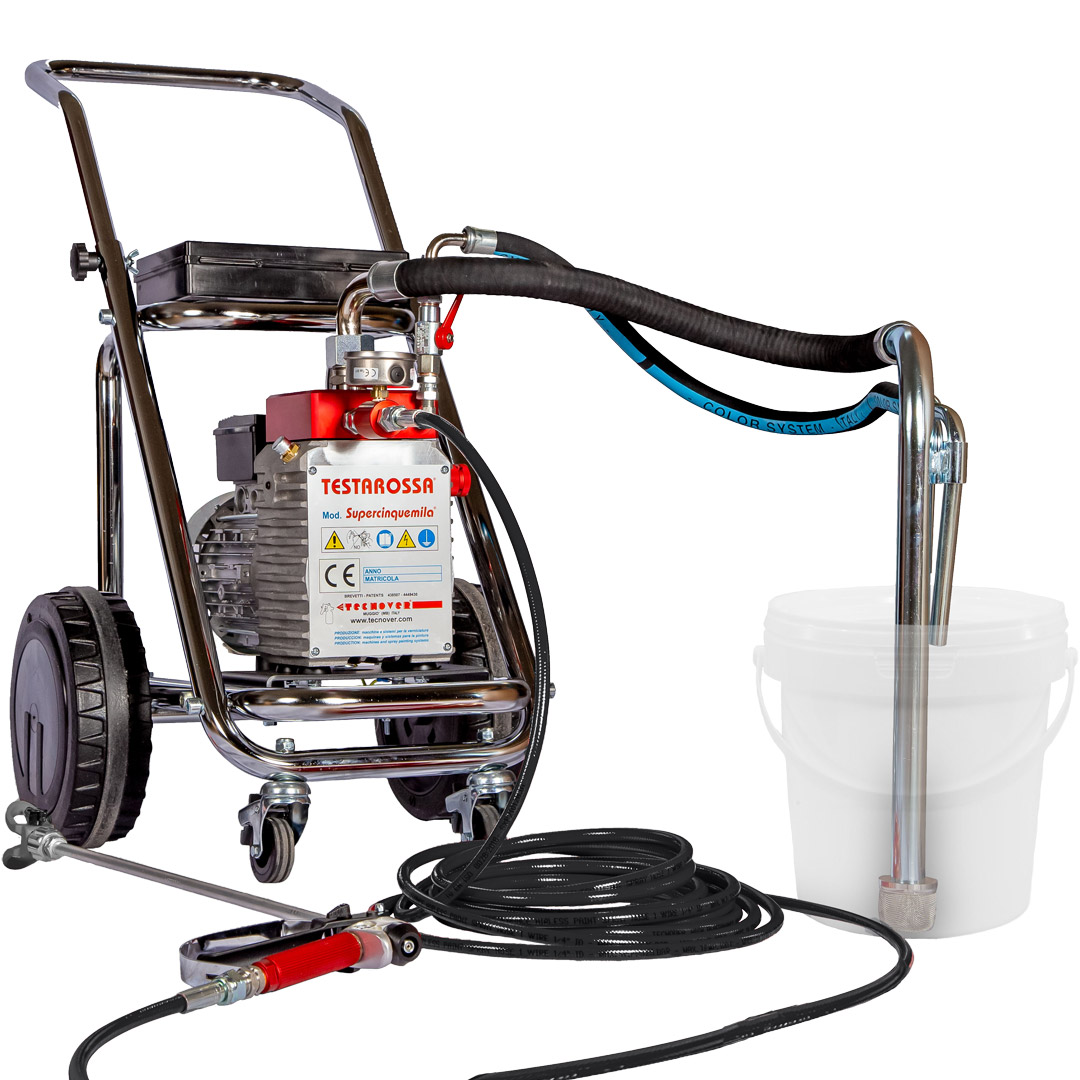
An airless paint spray machine is a complete, highly efficient system designed for professional coating applications. Instead of relying on complex setups, it simply draws the product directly from its original bucket or tin and applies it seamlessly to the target surface.
How Does Airless Spraying Work?
Airless spray is a method of atomizing a fluid without the use of compressed air. The fluid is pumped to a high pressure and delivered through a specialized high-pressure airless spray hose to the spray gun. From there, the fluid is forced through an accurately sized, tiny orifice at extreme pressure.
This orifice—the spray gun nozzle—is normally referred to as a spray tip. The restriction created by the high pressure combined with the specific shape of the spray tip’s orifice is what creates a perfectly atomized spray fan.
Critical Fluid Properties: Burst Pressure and Solid Particle Size
All fluids have two distinct properties that are crucial to the successful process of atomization:
Burst Pressure: This is the minimum pressure required to break the fluid down into small, consistent globules.
Maximum Particle Size: This refers to the size of the solids within the paint. While this isn’t data the average painter knows offhand, it strictly dictates the minimum spray tip size you can use. If the tip is too small, the solid particles will clog it.
Thankfully, you don’t have to guess; most product data sheets from reputable paint manufacturers contain all the relevant specifications for tip sizes and pressures.
Diaphragm vs. Piston Pumps: What’s the Difference?
There are two distinctly different types of pumps manufactured for airless spraying, both of which have their unique place in the market:
1. Diaphragm Pumps
The fast-oscillating diaphragm pump works at a very high cycle rate. It operates by sucking in and transferring a small amount of paint through a compression chamber and directly into a pressurizing chamber.
2. Piston Pumps
The piston pump works on a displacement principle. The first stroke collects fluid into one chamber while simultaneously pressurizing the fluid in the other. The second stroke transfers that collected fluid into the pressurizing chamber while pulling fresh fluid into the pump.
Selecting the Right Equipment: Comparing Apples with Apples
All professional airless sprayers feature manual pressure adjustment, allowing you to fine-tune your spraying pressure to match the exact requirements of the liquid for perfect atomization. However, because the maximum fluid volume pumped is constant per stroke, manufacturers build a wide variety of machine models to handle different workloads.
When buying a new sprayer or line striper, you should always compare two vital specifications: maximum tip size (measured in thousandths of an inch) and flow rate (measured in liters per minute).
From our experience, most well-established manufacturers price similar equipment closely due to the highly competitive global market. Always ensure you are comparing apples with apples, because in this industry, you generally get what you pay for.
The Distinct Advantages of Going Airless
Airless pumps typically range from 100 bars to over 500 bars of spraying pressure to accommodate the varying thicknesses of industrial and residential paints. Choosing an airless system offers massive benefits over conventional spraying:
Higher Efficiency: Airless systems boast an impressive transfer efficiency of about 70–80%.
Less Waste: It creates significantly less overspray, solvent clouds, and bounce-back than conventional spray equipment.
Thicker Applications: More liquid can be applied in a single pass if required.
No Thinning Required: In most cases, paints do not need to be thinned down just to make them sprayable.
Exclusive Capabilities: There are many heavy-duty coatings on the market today that can only be applied using airless technology.
Essential Safety: Preventing Injection Injuries
Because spraying pressure is so high, the exit velocity and force at the spray tip are extreme. This creates a serious risk of high-pressure injection injuries.
An operator must never point the spray gun at anyone, nor should they ever place their hands or fingers in front of the spray fan. Because these types of toxic injection injuries are rare, many emergency medical professionals are not immediately experienced in treating them. Failure to follow the correct surgical procedures for an injection injury can quickly lead to severe complications, blood poisoning, or even amputation.
Always keep safety top of mind, utilize your gun’s trigger lock when not spraying, and ensure your team is trained on proper handling protocols.
(Author: M. Gisi, 2008)